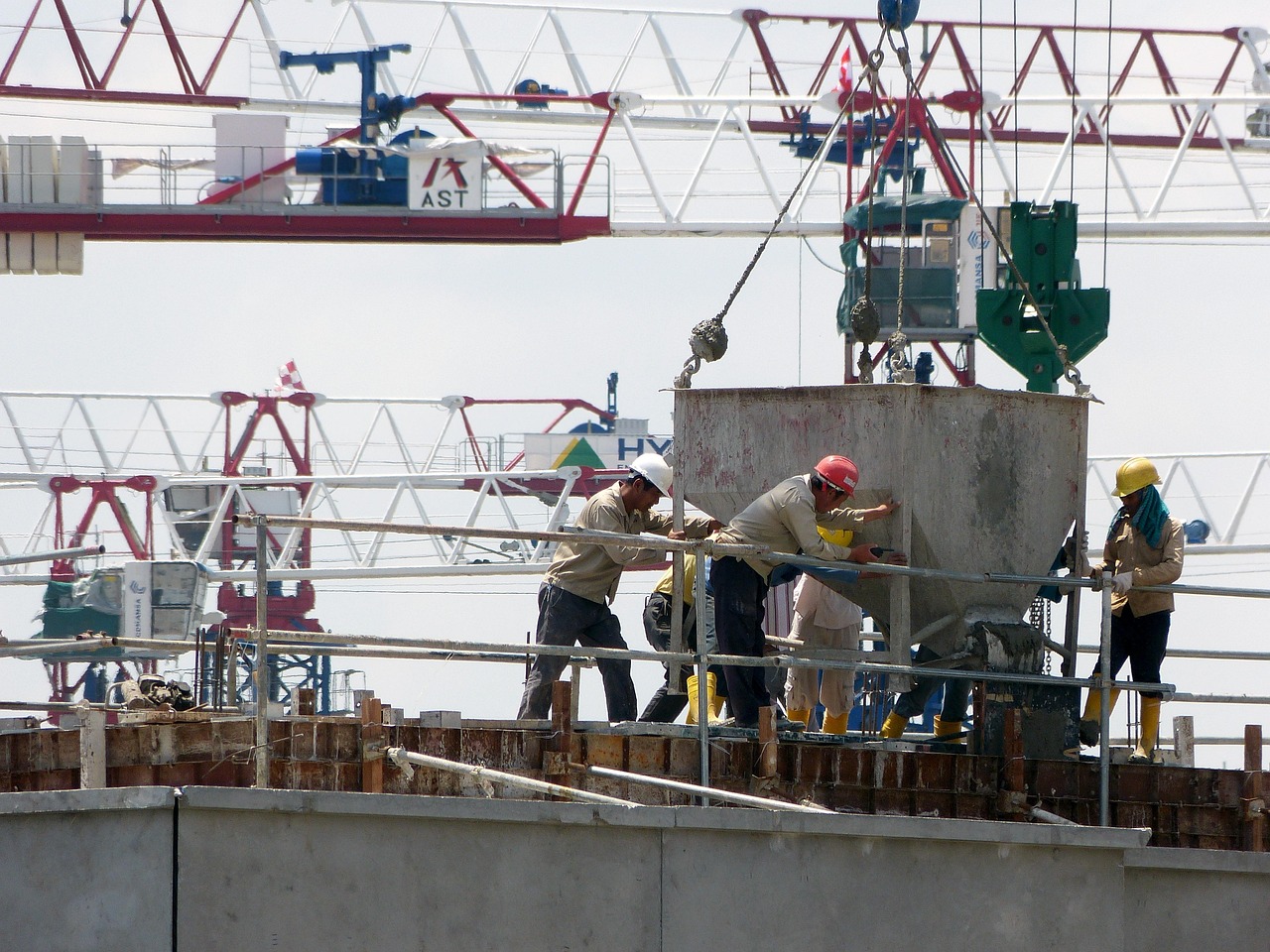
Energy efficiency is the practice of using less energy to perform the same tasks while maintaining or improving performance, comfort, and productivity. It plays a critical role in modern construction, industrial operations, commercial facilities, and residential buildings by reducing energy consumption, lowering operating costs, and minimizing environmental impact. As energy demand continues to grow worldwide, improving efficiency has become an essential strategy for creating sustainable and cost-effective buildings and infrastructure.
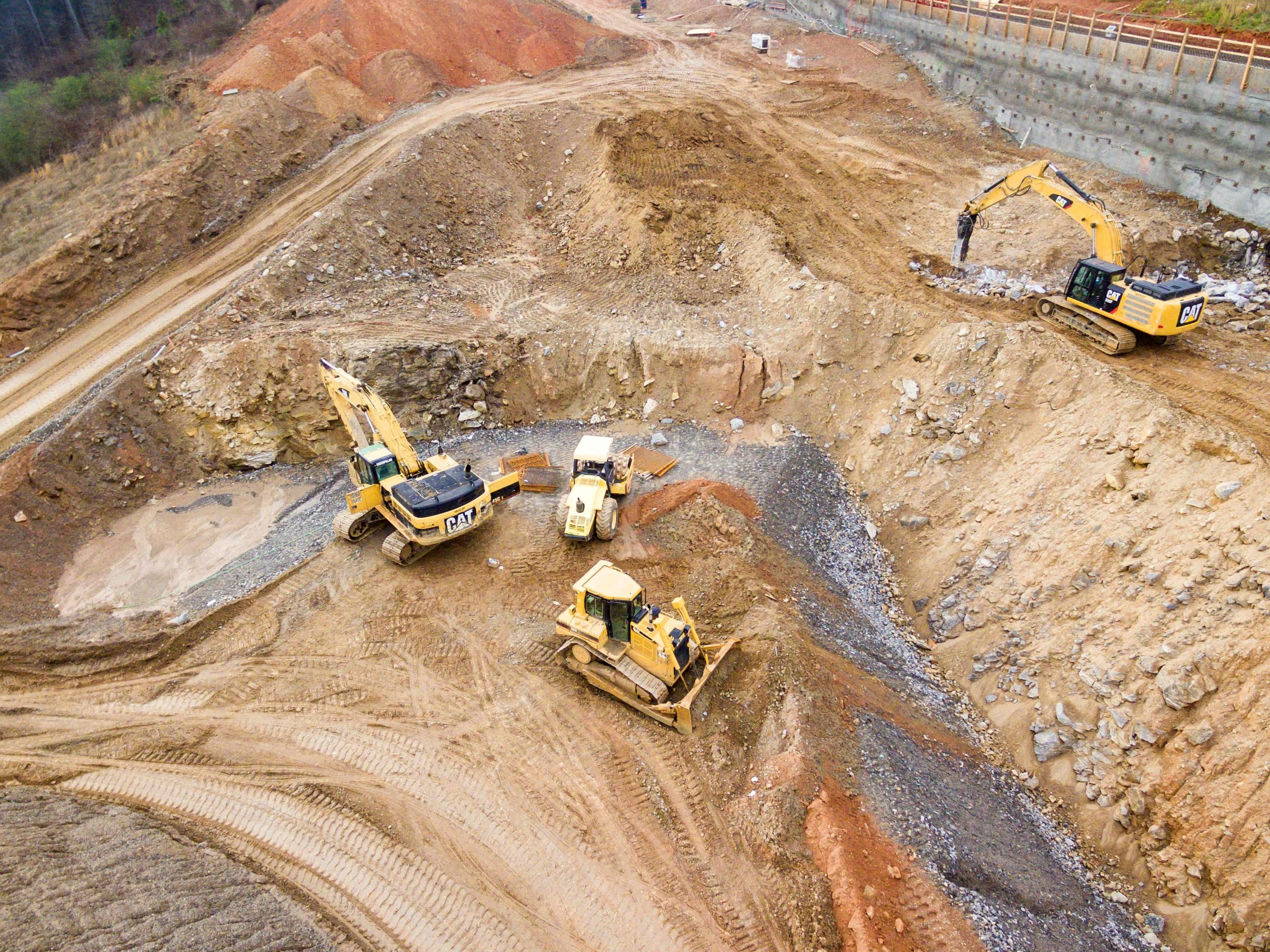
Energy efficiency is more than simply reducing utility bills. It contributes to environmental sustainability, enhances building performance, and improves occupant comfort. Efficient systems require less energy to deliver the same level of service, helping organizations reduce waste while maintaining operational excellence.
As governments introduce stricter environmental regulations and consumers become more environmentally conscious, energy-efficient solutions have become a valuable investment. Organizations that prioritize energy efficiency often experience improved profitability, reduced maintenance costs, and increased property value while supporting global efforts to reduce greenhouse gas emissions.
Efficient buildings use advanced technologies and carefully planned systems to minimize unnecessary energy usage. Proper insulation, energy-efficient lighting, modern HVAC systems, and smart controls significantly reduce electricity and fuel consumption without affecting comfort or productivity.
Lower energy consumption also reduces pressure on energy infrastructure while supporting responsible resource management.
One of the most immediate benefits of energy efficiency is reduced utility expenses. Efficient equipment consumes less electricity, gas, and water, resulting in measurable cost savings throughout the life of a building.
These financial savings allow organizations to allocate resources toward maintenance, expansion, or other strategic investments while improving overall operational efficiency.
The design phase has a major influence on the long-term energy performance of any building. Thoughtful planning helps reduce energy demand before construction is even completed.
Positioning a building to maximize natural sunlight and ventilation improves energy performance throughout the year. Proper orientation reduces reliance on artificial lighting while improving indoor comfort through passive heating and cooling strategies.
Architectural planning also considers shading, window placement, and surrounding landscape to optimize energy efficiency in different climates.
The building envelope includes walls, roofs, windows, doors, and insulation that separate indoor and outdoor environments. High-quality insulation and energy-efficient windows reduce heat transfer, helping maintain consistent indoor temperatures.
A well-designed envelope minimizes heating and cooling requirements, resulting in lower energy consumption and improved occupant comfort.
Heating, ventilation, and air conditioning systems represent one of the largest sources of energy consumption in residential and commercial buildings. Modern HVAC technologies improve efficiency while maintaining healthy indoor environments.
Energy-efficient HVAC systems automatically adjust heating and cooling based on occupancy, weather conditions, and indoor temperature requirements. Variable-speed equipment, programmable thermostats, and zoning systems help deliver consistent comfort while minimizing unnecessary energy use.
Smart controls ensure equipment operates only when needed, reducing both energy consumption and equipment wear.
Efficient ventilation systems improve indoor air quality by supplying fresh air while minimizing energy loss. Heat recovery ventilation systems capture energy from outgoing air and transfer it to incoming fresh air, improving efficiency without compromising comfort.
Maintaining proper air circulation also supports healthier indoor environments for occupants.
Lighting technology has advanced significantly in recent years, providing opportunities to reduce electricity consumption while improving visibility and aesthetics.
Light Emitting Diode technology consumes considerably less energy than traditional incandescent or fluorescent lighting while offering longer operating life. LED fixtures produce high-quality illumination with minimal maintenance requirements.
Their durability and efficiency make them suitable for residential, commercial, industrial, and outdoor applications.
Automated lighting systems use occupancy sensors, daylight sensors, and programmable controls to optimize electricity usage. Lights automatically adjust based on occupancy or available natural daylight, reducing unnecessary energy consumption.
These intelligent systems enhance convenience while improving overall building efficiency.
Renewable energy technologies complement energy-efficient building design by generating clean power from sustainable sources. Combining renewable systems with efficient construction maximizes environmental and financial benefits.
Solar panels convert sunlight into electricity, reducing dependence on conventional energy sources. Modern photovoltaic systems can supply a significant portion of a building’s electrical requirements while lowering long-term utility costs.
Solar technology continues to become more efficient and affordable, making it a practical option for many projects.
Battery storage systems allow excess renewable energy to be stored for later use during periods of high demand or limited energy production. Energy storage improves reliability while increasing the effectiveness of renewable energy installations.
Integrated energy management systems optimize storage and distribution to maximize overall efficiency.
Technology has become an essential component of modern energy management. Smart building systems continuously monitor energy performance and automatically optimize building operations.
Building automation systems control lighting, HVAC equipment, security systems, elevators, and electrical infrastructure from centralized platforms. Real-time monitoring identifies inefficiencies, detects equipment faults, and provides valuable performance data.
Artificial intelligence and predictive analytics further improve efficiency by adjusting system performance based on occupancy patterns, weather forecasts, and operational requirements.
Energy efficiency begins during construction through responsible material selection and sustainable building methods. High-performance materials improve insulation, durability, and overall energy performance throughout the building’s lifespan.
Recycled materials, low-emission products, efficient construction techniques, and responsible waste management reduce environmental impact while supporting long-term sustainability goals.
Proper sealing of building components also minimizes unwanted air leakage, improving indoor comfort and reducing heating and cooling demands.
Maintaining energy efficiency requires regular monitoring and preventive maintenance. Well-maintained equipment operates more efficiently, experiences fewer breakdowns, and consumes less energy over time.
Routine inspections, equipment calibration, filter replacement, system cleaning, and performance testing help ensure all building systems continue operating at peak efficiency. Energy audits identify opportunities for further improvements while tracking long-term performance.
Employee education also supports energy conservation by encouraging responsible equipment use and promoting energy-saving practices throughout daily operations.
Professional energy efficiency services provide comprehensive evaluations, system upgrades, and customized solutions designed to reduce energy consumption while improving building performance. Experienced specialists assess existing infrastructure, identify inefficiencies, and recommend improvements tailored to each property’s specific requirements.
These services often include energy audits, insulation upgrades, HVAC optimization, lighting modernization, renewable energy integration, and building automation implementation. Every recommendation focuses on maximizing efficiency while maintaining comfort, safety, and operational reliability.
Professional planning also ensures compliance with current energy regulations and sustainability standards, helping organizations achieve both financial and environmental objectives.
Energy efficiency continues to evolve through innovation, advanced technologies, and smarter building practices. Artificial intelligence, Internet of Things devices, renewable energy systems, and intelligent automation are transforming how buildings consume and manage energy.
As environmental awareness increases and energy costs continue to rise, efficient design and operation will become even more important across residential, commercial, industrial, and public infrastructure projects. Organizations that invest in energy-efficient solutions today are better prepared for future regulatory requirements, market expectations, and sustainability goals.
Energy efficiency is no longer simply an option—it is a fundamental component of modern construction and facility management. By combining innovative technologies, sustainable materials, intelligent systems, and professional expertise, energy-efficient solutions reduce operating costs, improve occupant comfort, conserve valuable resources, and support a cleaner, more sustainable future for generations to come.
Sustainable construction emphasizes designs that maximize natural light, ventilation, and thermal performance. Green roofs and vertical gardens are also becoming popular features.
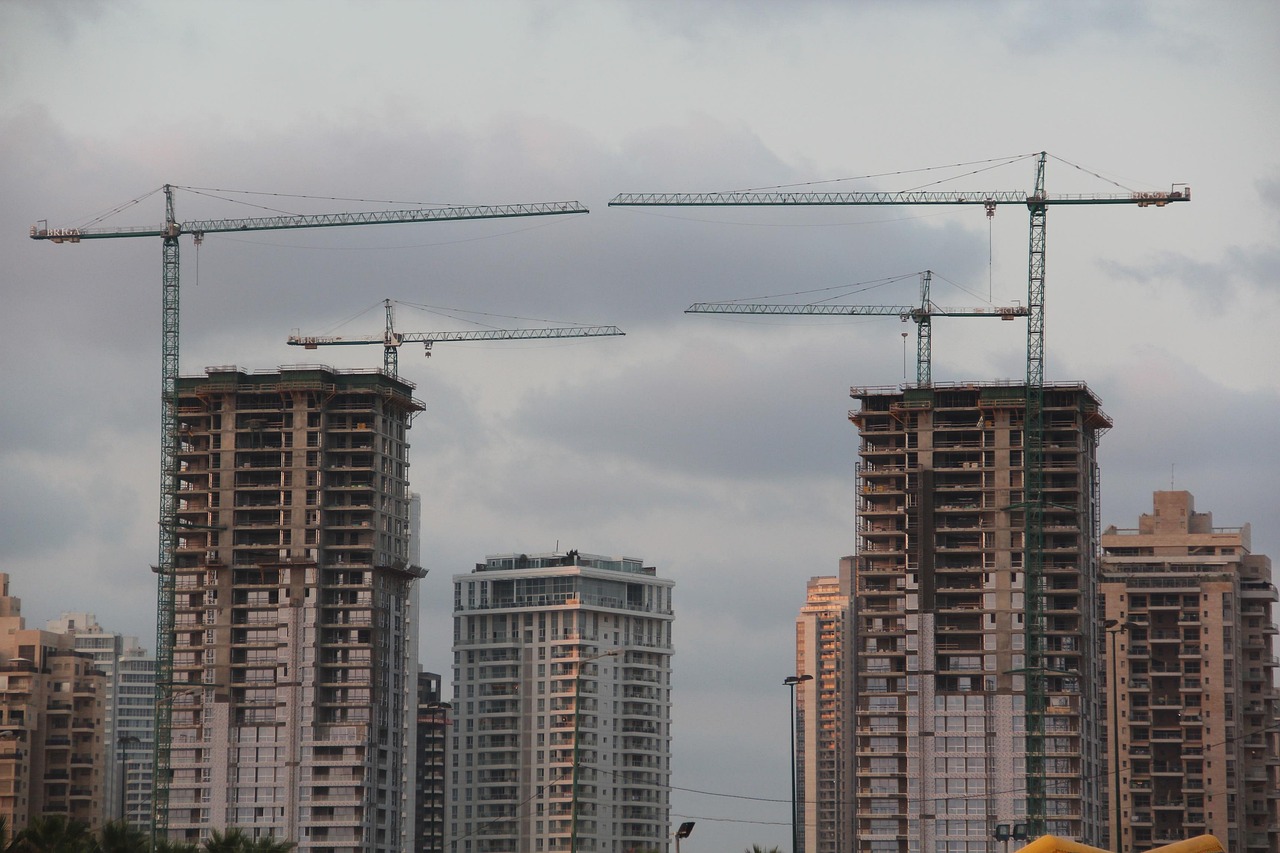
Effective waste management during construction reduces landfill impact. Recycling, reusing materials, and efficient planning ensure minimal waste production.
As governments and industries adopt stricter environmental standards, sustainable construction is no longer optional—it is essential.