
Project management is the structured process of planning, organizing, coordinating, and controlling resources to successfully complete a project within its defined scope, schedule, and budget. Whether applied to construction, engineering, manufacturing, infrastructure, technology, or commercial development, effective project management ensures that every stage of the project is carefully monitored and executed to achieve the desired outcomes.
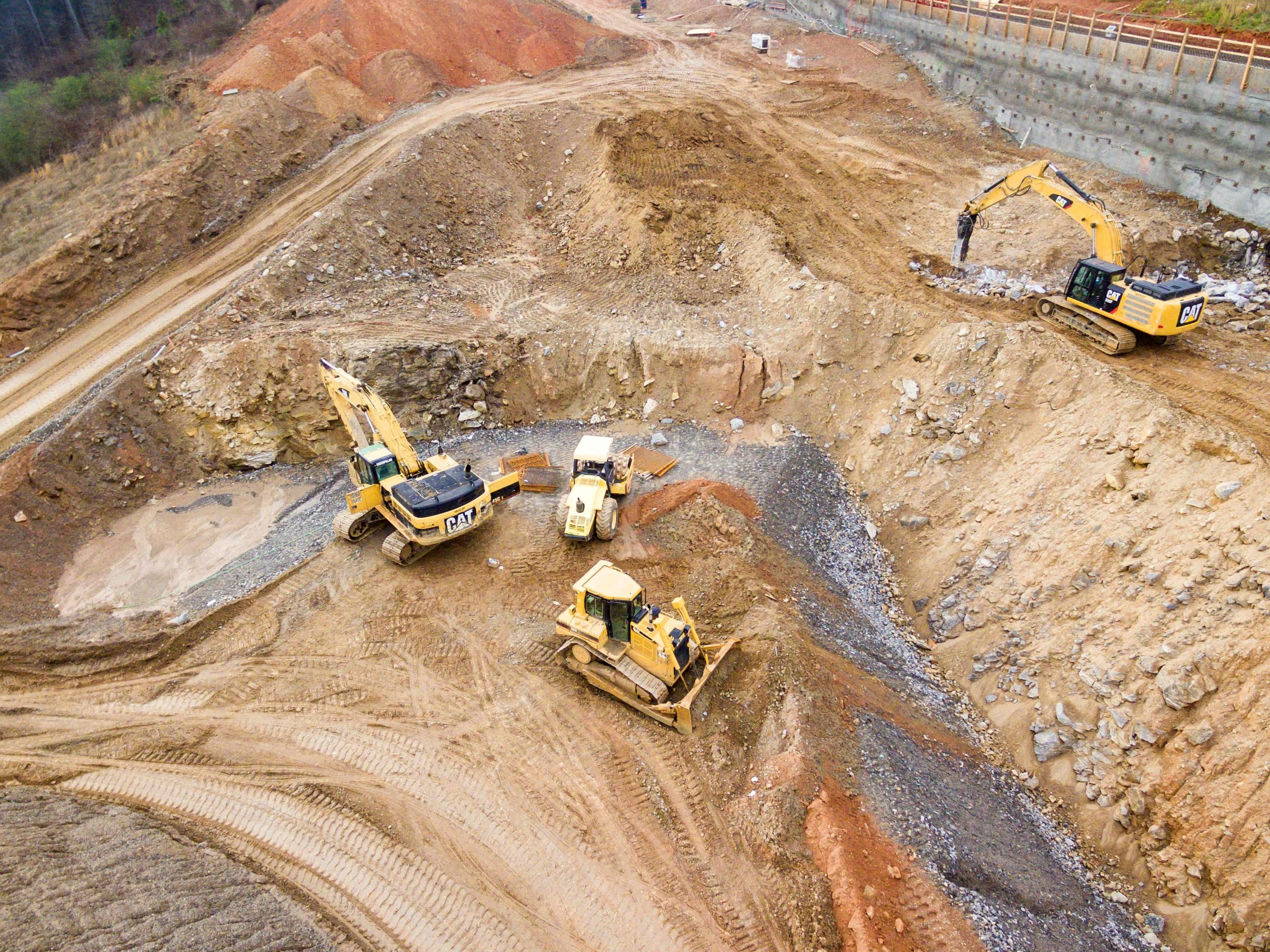
Every successful project begins with a clear plan and a well-organized management strategy. Project management provides the framework needed to coordinate tasks, allocate resources, monitor progress, and address challenges before they impact project performance.
Without effective management, projects may experience schedule overruns, budget increases, quality issues, and communication gaps. A structured management approach improves decision-making, strengthens collaboration, and ensures that project objectives remain aligned throughout every phase.
Project management ensures that every activity contributes toward achieving the project’s defined goals. By establishing clear milestones, responsibilities, and performance targets, project teams remain focused on delivering results efficiently.
Regular monitoring and progress evaluations help identify potential issues early, allowing timely adjustments that keep the project moving forward.
Organized project management eliminates unnecessary delays by coordinating schedules, resources, procurement, and workforce activities. Efficient planning minimizes downtime while improving productivity across every department involved in the project.
Well-managed operations also reduce material waste, improve equipment utilization, and support better financial performance.
Planning is one of the most critical stages of project management. A detailed plan provides the foundation for successful execution by defining project scope, timelines, budgets, responsibilities, and expected deliverables.
A clearly defined scope establishes the project’s objectives, requirements, and limitations. It identifies the work to be completed while preventing unnecessary additions that could affect schedules or budgets.
Comprehensive scope planning ensures that all stakeholders share a common understanding of project expectations before work begins.
Creating realistic schedules helps organize activities in a logical sequence while identifying critical milestones and dependencies. Effective scheduling considers resource availability, procurement timelines, regulatory approvals, and construction or production requirements.
Detailed schedules improve coordination while helping teams monitor progress throughout the project lifecycle.
Successful projects depend on the efficient allocation of people, equipment, materials, and financial resources. Resource management ensures that every element is available when needed without unnecessary waste or delays.
Project managers assign responsibilities based on individual skills, experience, and project requirements. Clear communication and well-defined roles improve collaboration while reducing confusion among team members.
Proper workforce planning also helps balance workloads, increase productivity, and maintain consistent project progress.
Construction materials, machinery, tools, and specialized equipment must be delivered according to project schedules. Careful procurement planning prevents shortages while minimizing excess inventory and storage costs.
Efficient resource management supports uninterrupted operations and improves overall project performance.
Maintaining financial control is a fundamental responsibility of project management. Accurate budgeting helps organizations estimate project costs while ensuring resources are used efficiently throughout execution.
Comprehensive budgets include labor, materials, equipment, permits, subcontractors, transportation, and contingency allowances. Detailed financial planning provides a realistic understanding of project requirements before work begins.
Accurate budgeting also supports informed decision-making during every stage of development.
Continuous cost tracking allows project managers to compare actual expenditures with planned budgets. Early identification of financial deviations enables corrective actions before budget overruns become significant.
Regular financial reporting improves transparency while supporting responsible resource management.
Every project involves uncertainties that can affect schedules, costs, quality, or safety. Effective risk management identifies potential challenges before they occur and develops strategies to reduce their impact.
Project teams evaluate technical, financial, environmental, regulatory, and operational risks during the planning phase. Understanding potential challenges allows managers to prioritize mitigation efforts and allocate appropriate resources.
Comprehensive assessments improve project resilience while supporting informed decision-making.
Preparing contingency plans ensures that projects can respond quickly to unexpected events such as supply chain disruptions, adverse weather, equipment failures, or design changes.
Well-developed contingency strategies reduce downtime while maintaining project continuity under changing conditions.
Effective communication is essential for successful project delivery. Project managers serve as the central point of coordination between clients, contractors, consultants, suppliers, regulatory authorities, and project teams.
Regular meetings, progress reports, digital collaboration platforms, and transparent communication ensure all stakeholders remain informed throughout the project. Clear communication reduces misunderstandings, supports faster decision-making, and strengthens professional relationships.
Strong stakeholder engagement also encourages collaboration, problem-solving, and shared commitment to project success.
Maintaining quality throughout the project lifecycle ensures that completed work meets technical specifications, industry standards, and client expectations. Quality management involves continuous inspections, testing, documentation, and performance evaluations.
Quality assurance begins during project planning through detailed specifications and continues throughout construction or implementation. Routine inspections identify deficiencies early, allowing corrective measures before issues affect project completion.
Consistent quality management reduces future maintenance requirements while enhancing long-term project performance and customer satisfaction.
Monitoring project progress allows managers to compare completed work against established schedules and milestones. Continuous tracking helps identify delays, resource constraints, and performance issues before they affect overall project delivery.
Modern project management software provides real-time scheduling updates, task assignments, document management, and performance reporting. Digital tools improve coordination while supporting faster decision-making across multiple project teams.
Regular progress reviews ensure projects remain aligned with timelines, budgets, and quality objectives.
Project management includes ensuring compliance with safety regulations, environmental requirements, and industry standards. Safety planning protects workers, equipment, and surrounding communities while reducing operational risks.
Project managers coordinate safety training, inspections, emergency response planning, and regulatory documentation throughout every phase of the project. Compliance with local building codes and legal requirements helps prevent delays while ensuring successful project completion.
Strong safety management also contributes to higher productivity by creating secure and well-organized working environments.
Professional project management services provide structured leadership, technical expertise, and strategic planning that improve project outcomes. Experienced managers coordinate every aspect of project execution, ensuring resources are used efficiently while maintaining quality and financial control.
Comprehensive management services include planning, scheduling, procurement, budgeting, risk management, quality assurance, stakeholder communication, and performance monitoring. This integrated approach reduces uncertainty while increasing project efficiency and reliability.
Organizations benefit from improved coordination, reduced costs, better resource utilization, stronger communication, and greater confidence that projects will be completed successfully.
Selecting experienced project management professionals is essential for achieving consistent and reliable project results. Skilled managers understand industry regulations, technical requirements, financial planning, resource allocation, and risk mitigation strategies necessary for successful project delivery.
Professional management teams prioritize transparency, accountability, continuous monitoring, and proactive problem-solving throughout every phase of the project. Their expertise helps organizations overcome complex challenges while maintaining focus on quality, safety, and long-term value.
Project management is the foundation of successful project execution across every industry. By combining strategic planning, effective communication, resource optimization, financial control, and continuous quality management, professional project management services ensure that projects are delivered on time, within budget, and to the highest standards. This disciplined approach supports sustainable growth, operational excellence, and long-term success for projects of every size and complexity.
Routine inspections identify potential hazards before they become major issues. Risk assessments allow managers to implement corrective measures proactively.


Heavy machinery like cranes, excavators, and drilling rigs should only be operated by trained professionals. Regular maintenance checks are necessary to ensure equipment works properly.
Every site should have a clear emergency plan in case of fire, structural collapse, or other unexpected events. Quick-response training and accessible first aid stations can save lives.