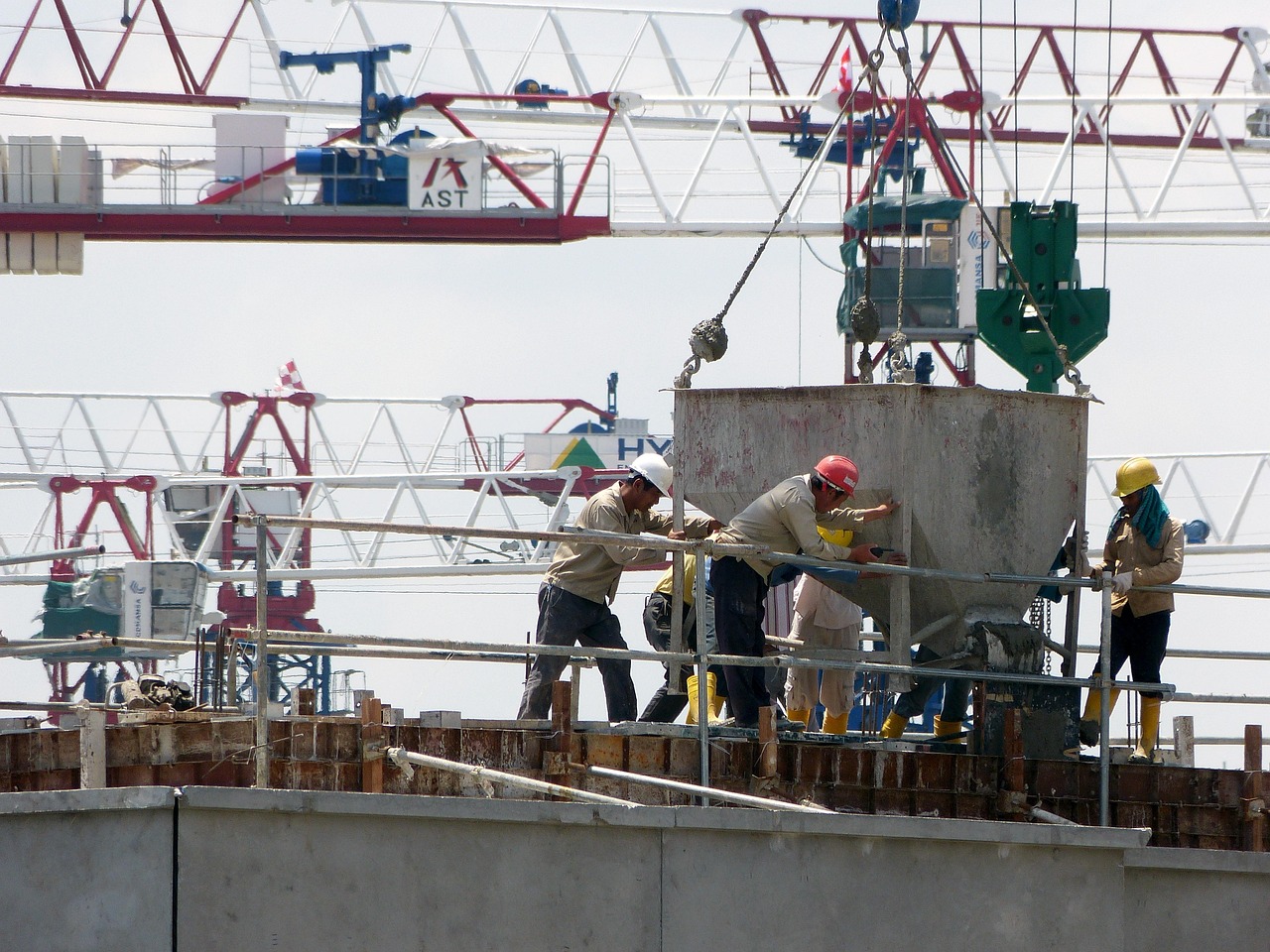
Construction equipment is the backbone of modern building and infrastructure projects, enabling work to be completed safely, efficiently, and with greater precision. From residential developments and commercial buildings to roads, bridges, industrial facilities, and public infrastructure, specialized machinery plays a critical role in every phase of construction. Heavy equipment reduces manual labor, improves productivity, and helps projects meet demanding schedules while maintaining high standards of quality.
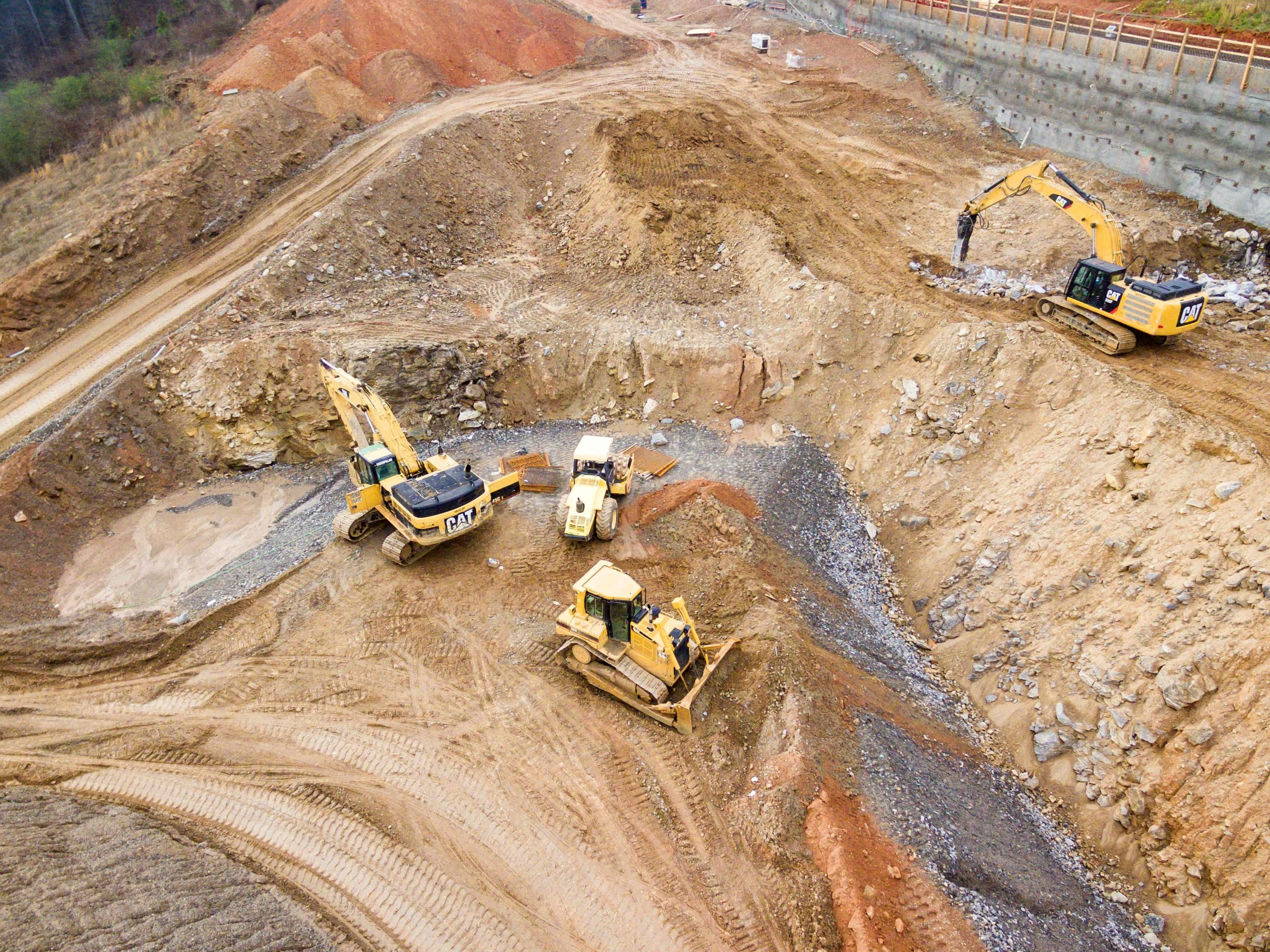
Construction equipment is essential for completing projects of all sizes efficiently and safely. Manual labor alone cannot meet the demands of modern construction, especially for large-scale developments that require moving heavy materials, preparing foundations, or lifting structural components.
Using specialized equipment improves productivity, minimizes physical strain on workers, and allows projects to be completed within planned timelines. Well-maintained machinery also contributes to better construction quality by providing greater precision and consistency during every stage of the project.
Modern equipment enables contractors to complete complex tasks in a fraction of the time required by traditional methods. Excavators, loaders, cranes, and compactors perform high-volume work quickly, helping reduce construction schedules without sacrificing quality.
Improved efficiency also allows teams to allocate resources more effectively, reducing labor costs and minimizing project delays.
Infrastructure projects such as highways, airports, industrial plants, and commercial developments require equipment capable of handling heavy loads and challenging working conditions. Construction machinery provides the power and reliability necessary for demanding operations while maintaining high levels of productivity.
Specialized equipment ensures that large projects can be completed safely, accurately, and within budget.
Construction projects require different types of machinery depending on the nature of the work. Each machine is designed to perform specific tasks that contribute to overall project success.
Excavators are among the most versatile machines used in construction. They are designed for digging foundations, trenches, drainage systems, and utility installations. Equipped with hydraulic systems and interchangeable attachments, excavators can also perform demolition, material handling, and landscaping tasks.
Backhoe loaders combine excavation and loading capabilities, making them ideal for smaller projects that require multiple functions from a single machine.
Bulldozers are used to move large quantities of soil, rocks, and debris while preparing construction sites for development. Their powerful blades allow operators to level ground, clear land, and create stable working surfaces.
Motor graders provide precise surface grading for roads, parking areas, and foundations, ensuring smooth and properly aligned construction surfaces.
Loaders, forklifts, and telehandlers are used to transport construction materials across project sites efficiently. These machines move aggregates, concrete, steel, timber, and other materials safely while reducing manual handling.
Material handling equipment improves workflow by ensuring supplies reach the appropriate work areas quickly and efficiently.
Tower cranes, mobile cranes, and crawler cranes lift heavy structural components, construction materials, and mechanical equipment to elevated locations. These machines are essential for high-rise construction, bridge development, and industrial projects.
Modern lifting equipment provides exceptional stability, precision, and load capacity, allowing complex installations to be completed safely.
Site preparation is one of the first stages of any construction project. Proper preparation creates stable conditions that support long-term structural performance.
Compactors compress soil to improve foundation stability and reduce future settlement. Rollers create smooth, durable surfaces for roads, pavements, and parking areas.
Trenchers install underground utilities efficiently, while skid steer loaders perform multiple site preparation tasks using interchangeable attachments such as buckets, augers, sweepers, and grading blades.
Well-prepared sites improve construction accuracy while reducing future maintenance concerns.
Technology has significantly improved the performance, safety, and efficiency of construction machinery. Advanced equipment now includes intelligent systems that assist operators while improving project management.
Global Positioning System technology allows equipment operators to perform grading, excavation, and earthmoving with exceptional precision. Machine guidance systems reduce measurement errors while minimizing material waste.
Accurate positioning also decreases the need for repeated adjustments, improving productivity throughout construction.
Modern construction equipment incorporates telematics systems that monitor fuel consumption, engine performance, maintenance schedules, and equipment location in real time.
Fleet managers use this information to improve equipment utilization, reduce downtime, and schedule preventive maintenance before mechanical issues occur.
Safe equipment operation protects workers, equipment, and surrounding communities throughout construction activities. Proper safety procedures reduce accidents while maintaining efficient project progress.
Qualified operators receive comprehensive training on machine controls, maintenance procedures, hazard identification, and emergency response. Experienced operators understand equipment limitations and follow established safety guidelines during every operation.
Continuous training ensures operators remain familiar with new technologies and updated safety regulations.
Daily inspections help identify worn components, hydraulic leaks, damaged tires, and mechanical issues before they become serious problems. Preventive maintenance improves equipment reliability while reducing the likelihood of unexpected breakdowns.
Regular servicing extends machinery lifespan and supports safe, uninterrupted project operations.
Proper maintenance is essential for keeping construction equipment operating efficiently throughout its service life. Scheduled inspections, lubrication, filter replacement, hydraulic system maintenance, and engine servicing help maximize machine performance.
Preventive maintenance reduces repair costs by addressing minor issues before they develop into major failures. Well-maintained equipment also improves fuel efficiency, minimizes emissions, and ensures consistent productivity across all construction activities.
Maintenance records support regulatory compliance while providing valuable information for equipment lifecycle management.
Environmental responsibility has become increasingly important in the construction industry. Modern equipment manufacturers continue developing machines that reduce emissions, improve fuel efficiency, and minimize environmental impact.
Electric and hybrid construction equipment provides cleaner alternatives for projects in urban environments where noise and emissions must be carefully controlled. Advanced engines consume less fuel while meeting stricter environmental regulations.
Efficient equipment scheduling, reduced idle time, and proper maintenance further contribute to lower fuel consumption and improved sustainability across construction projects.
Selecting suitable equipment requires careful evaluation of project requirements, site conditions, material types, workload, and operational objectives. Every machine should match the specific demands of the construction task while supporting efficient resource utilization.
Factors such as equipment capacity, mobility, fuel efficiency, attachment compatibility, maintenance requirements, and operator expertise all influence equipment selection. Proper planning helps reduce operating costs while improving project performance.
Experienced professionals evaluate these factors to ensure each project uses the most effective machinery for maximum productivity and safety.
Professional construction equipment services provide access to modern machinery, experienced operators, maintenance support, and technical expertise throughout every stage of construction. Reliable equipment services improve operational efficiency while reducing project risks and unexpected downtime.
High-quality machinery ensures accurate work, faster completion times, and consistent performance across excavation, lifting, grading, material handling, and finishing operations. Professional support also includes equipment inspections, preventive maintenance, logistics planning, and safety compliance.
Construction equipment continues to drive innovation across the building industry by combining powerful machinery with advanced technology and responsible operating practices. From site preparation to final project completion, modern equipment enables safer, faster, and more efficient construction while supporting high-quality results. Investing in reliable construction equipment and professional operational expertise helps ensure successful project delivery, long-term durability, and improved value for residential, commercial, industrial, and infrastructure developments.
The use of 3D printing in construction is growing rapidly. It allows for faster creation of building components and even entire structures with reduced material waste.

This technology not only cuts costs but also supports sustainable practices.
VR and AR technologies allow clients and stakeholders to visualize projects before they are built.